


The IWCF Drilling Well Control Level 3 certification is one of the most widely recognized well control qualifications in the global oil and gas industry. It is designed for drilling personnel who are directly involved in operating and supervising drilling activities while maintaining well control.
If you are wondering whether IWCF Level 3 is the right certification for your role, this guide explains who should take the course, what responsibilities it supports, and why it is highly valued by drilling contractors and operating companies worldwide.
What Is IWCF Drilling Well Control Level 3?
The International Well Control Forum (IWCF) Drilling Well Control Level 3 programme is intended for personnel who actively participate in drilling operations and are responsible for detecting, preventing, and responding to well control incidents.
Unlike introductory well control training, Level 3 focuses on the practical application of well control principles, including kick detection, shut-in procedures, pressure control, and well kill methods.
This certification helps ensure that drilling personnel have the knowledge and decision-making skills required to maintain safe drilling operations.
Who Should Take IWCF Drilling Well Control Level 3?
1. Drillers
Drillers are the primary candidates for IWCF Level 3 certification. They are responsible for operating the drilling rig, monitoring drilling parameters, supervising the rig floor crew, and responding immediately to any indication of a kick or well control event.
For many drilling contractors, IWCF Level 3 certification is a mandatory qualification for anyone working as a Driller.
2. Assistant Drillers
Assistant Drillers work closely with the Driller and are often preparing for promotion into the Driller position.
By completing IWCF Level 3, Assistant Drillers gain the practical well control knowledge needed to confidently manage drilling operations and respond to abnormal well conditions.
3. Toolpushers and Rig Supervisors
Toolpushers oversee daily rig activities and ensure operations are carried out safely and efficiently. While some organizations require Level 4 for senior supervisory positions, many companies still require Toolpushers to hold IWCF Level 3, particularly when they remain actively involved in drilling operations.
4. Company Representatives (Company Man)
Company Representatives monitor drilling activities on behalf of the operating company. Although they may not operate the rig directly, they need a solid understanding of well control principles to evaluate operational decisions, supervise contractors, and maintain compliance with company standards.
5. Wellsite Supervisors
Wellsite Supervisors coordinate drilling operations between contractors and operators. IWCF Level 3 provides the technical knowledge necessary to identify well control risks and support safe operational decision-making throughout the drilling programme.
6. Drilling Foremen
Drilling Foremen supervise drilling crews across one or multiple rigs. Their responsibilities include monitoring drilling performance, ensuring operational safety, and supporting field operations. Holding IWCF Level 3 demonstrates competency in essential well control practices.
7. Field-Based Drilling Engineers
Drilling Engineers who regularly visit drilling rigs or provide operational support in the field also benefit from IWCF Level 3 certification. The programme helps engineers better understand real-time drilling operations, well control challenges, and communication with rig personnel.
Industries That Commonly Require IWCF Level 3
Professionals working in the following sectors frequently require IWCF Drilling Well Control Level 3 certification:
- Onshore Drilling
- Offshore Drilling
- Jack-Up Rig Operations
- Semi-Submersible Drilling
- Drillship Operations
- Exploration Drilling
- Development Drilling
- Geothermal Drilling
- High Pressure High Temperature (HPHT) Wells
Because well control is a critical safety requirement, many international oil companies (IOCs), national oil companies (NOCs), and drilling contractors include IWCF certification as a prerequisite for operational positions.
Why Is IWCF Level 3 Important?
Well control incidents can have serious consequences for personnel, the environment, equipment, and business operations. IWCF Level 3 equips drilling professionals with the knowledge to:
- Recognize early warning signs of a kick.
- Apply appropriate shut-in procedures.
- Understand pressure control principles.
- Perform safe well kill operations.
- Support safe and efficient drilling activities.
- Reduce operational risks and improve decision-making.
For many drilling professionals, obtaining IWCF Level 3 is also an important milestone for career progression into supervisory roles.
Take Your IWCF Level 3 Training with Neotek Inovasi Global
If you are preparing for a career as a Driller, Assistant Driller, Toolpusher, Wellsite Supervisor, Company Representative, or Drilling Engineer, obtaining an internationally recognized well control certification is a valuable investment in your professional development.
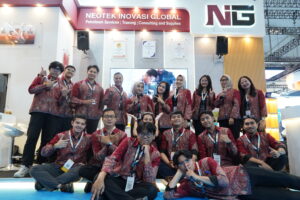
Neotek Inovasi Global (NIG) offers IWCF Drilling Well Control Level 3 training delivered by experienced instructors with practical industry backgrounds. Our programmes combine comprehensive theoretical knowledge with practical well control scenarios to help participants prepare confidently for the official IWCF assessments.
Whether you are advancing your career in onshore or offshore drilling, IWCF Level 3 certification can strengthen your technical competence, improve workplace safety, and enhance your opportunities within the global oil and gas industry.