

Who is a Derrickhand in Oil & Gas?
A Derrickhand is an important member of the drilling crew. They work mainly on the derrick tower. Derrickhands collaborate closely with Floor Men and the Driller. Their job is to ensure that drilling pipes and fluids are handled safely and efficiently.
Key Responsibilities of a Derrickhand
-
Managing Drill Pipes
Derrickhands handle the top section of drill pipes during tripping operations. They make sure that pipes are added or removed safely from the drill string. -
Monitoring Drilling Fluids
They manage the mud pit, mix drilling fluids, and circulate them properly. This helps maintain pressure and supports the drilling process. -
Supporting Rig Floor Operations
Derrickhands assist Floor Men and the Driller. They ensure smooth operations, proper equipment handling, and compliance with operational procedures. -
Safety and Compliance
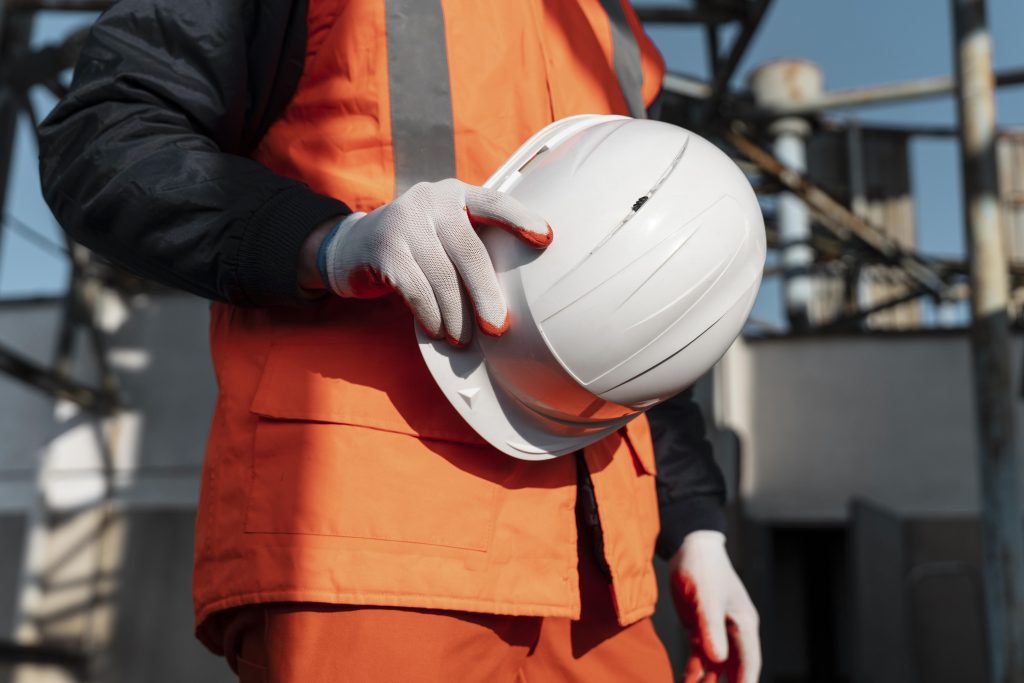
Derrickhands strictly follow safety protocols. They wear PPE, monitor hazards on the rig floor, and participate in safety drills. -
Equipment Maintenance
Derrickhands inspect and maintain drilling tools and derrick equipment. This prevents accidents and avoids operational delays.
Skills and Qualifications
-
Physical Fitness: Derrickhands need strength and stamina. They often work at heights and handle heavy drill pipes.
-
Technical Knowledge: They should understand drilling operations, mud circulation, and derrick equipment.
-
Safety Awareness: Knowledge of HSE standards and oil & gas safety practices is crucial.
-
Teamwork: Derrickhands must communicate and collaborate effectively with the rig crew.
Career Path and Opportunities
Starting as a Derrickhand opens doors to higher positions. Next roles include Assistant Driller, Driller, and eventually Rig Supervisor/Toolpusher. Additionally, certifications such as IWCF (International Well Control Forum) can boost career prospects.
Why the Derrickhand Role is Crucial
The Derrickhand in Oil & Gas ensures efficient drilling, proper equipment handling, and safe fluid management. In short, they contribute directly to safety, productivity, and cost efficiency on the rig.